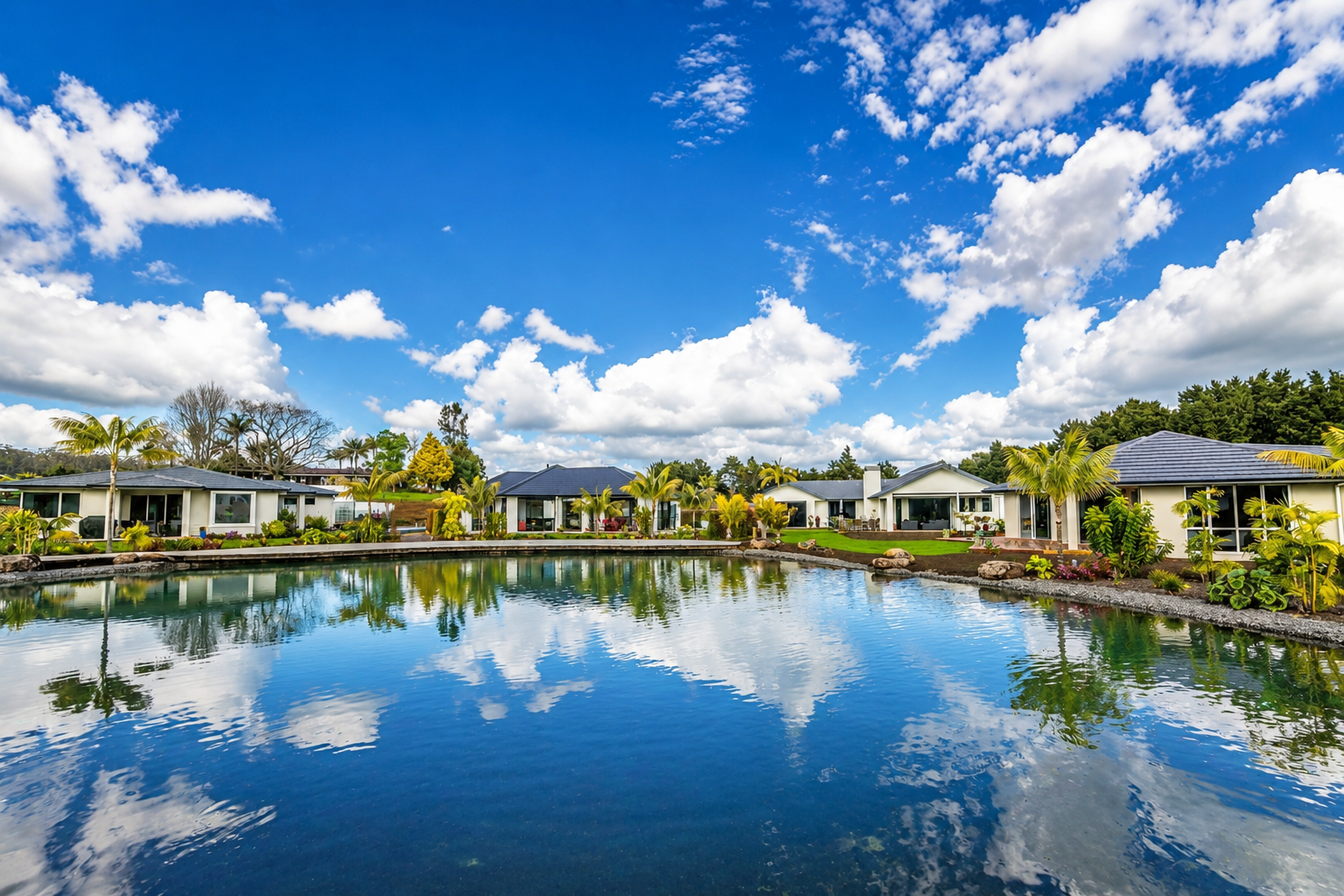
For New Zealanders, there is a point where a place stops being somewhere you visit (like the Bay of Islands) and becomes somewhere you live from, and that change is felt in the way your time is organised because you’re no longer planning a stay but shaping your days from a position of ownership.
At Quail Ridge Country Club in Kerikeri, that shift isn’t symbolic because it changes how your week unfolds, how you spend time with people, and how much control you retain over both.
For many Aucklanders and Kiwis far and near, the Bay of Islands has always sat slightly out of reach, as a place for weekends, holidays, and short breaks that are fitted around other commitments, which means time there is often compressed before attention turns back to the drive home.
Living here alters that structure in a way that becomes clear quite quickly, because you’re no longer working to fit life into a visit, but instead working from a place where the setting already forms part of your daily environment.
A walk along the Kerikeri River track can sit naturally at the start of the day if it suits you, while time on the water becomes a decision made in response to conditions rather than bookings, and a round of golf finds its place in the week without needing to be protected from everything else.
That’s where the host’s advantage begins to take hold, as the pattern of movement shifts and the centre of activity starts to sit with you rather than somewhere else.
Instead of travelling to meet people, people start travelling to you, which changes the rhythm of social life in a way that becomes more noticeable over time, because visits extend more easily, plans feel less compressed, and time together is no longer shaped by tight logistics.
Your home at Quail Ridge Country Club retirement village supports this because these are real houses designed for ongoing living rather than temporary occupation, which means kitchens are built to be used, living areas allow for movement between inside and outside, and storage accommodates the equipment and belongings that remain part of an active life.
You’re able to make decisions about layout, finishes, and orientation so that the home reflects how you actually live, and that matters because the house isn’t the focus of the decision but the structure that allows everything else to happen without unnecessary effort.
At the same time, the practical burden that often sits behind home ownership is reduced, as maintenance, grounds, and shared infrastructure are managed centrally, which means you can lock up and travel when it suits you without needing to organise work or think about what will require attention in your absence.
That reduction in friction doesn’t come at the expense of control, because decisions about when to leave, when to return, and how you spend your time remain entirely your own, which reinforces the sense that independence has been preserved rather than traded away.
Within the village, shared spaces extend the way you live rather than interrupt it, as the pool, workshop, bowling green, and community areas are there when they fit naturally into your routine, while remaining unobtrusive when your focus sits elsewhere.
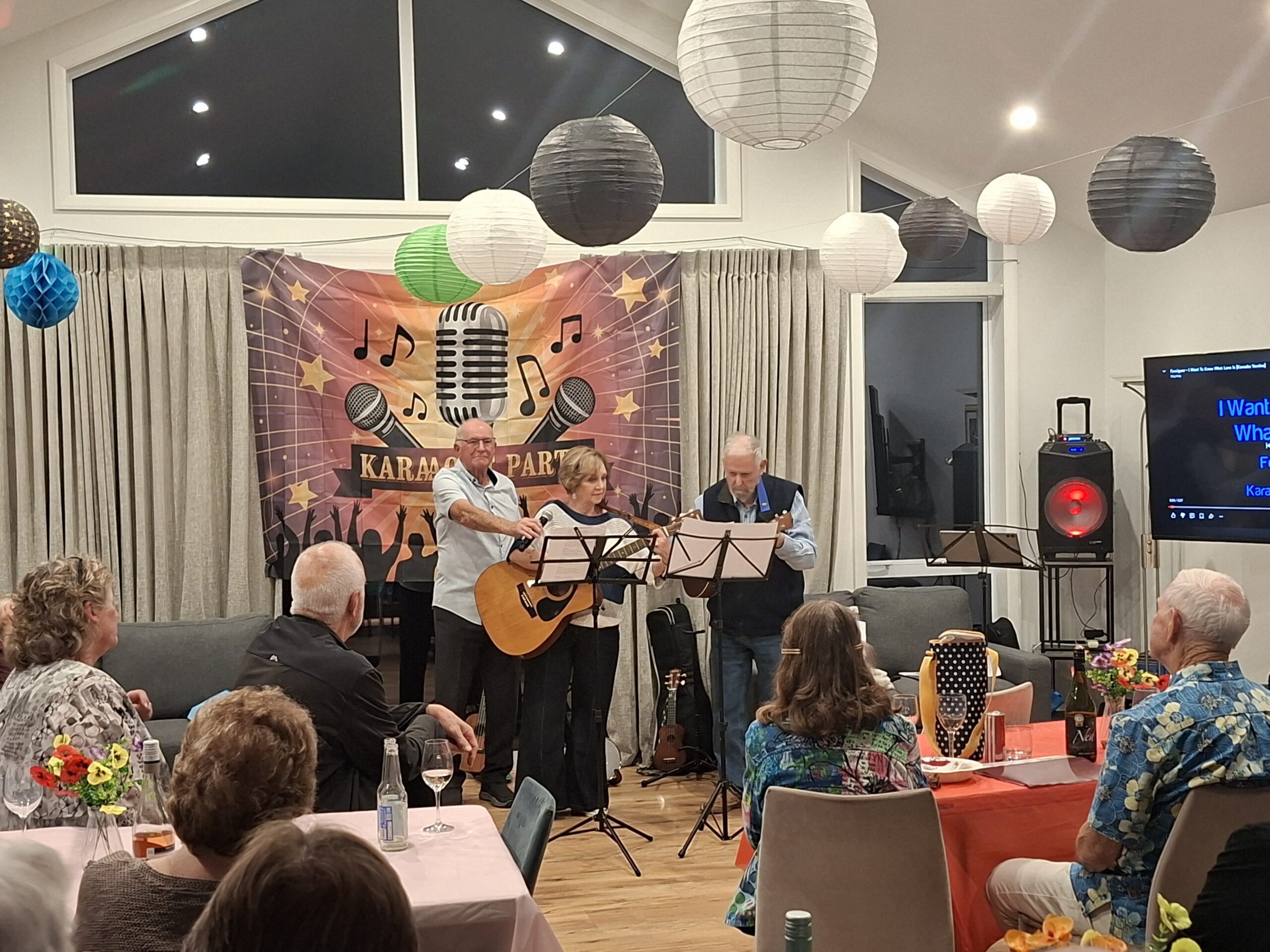
You might use the pool several times a week because it aligns with your morning, or spend time in the workshop on projects that carry on from earlier years, or meet others through shared interests that develop into regular habits, and at other times you may choose not to engage with these spaces at all because your time is taken up beyond the village.
Participation remains optional in every case, and that’s what gives these facilities their value, as they exist to support your choices rather than define them.
Social connection follows the same pattern because interactions tend to develop through proximity and shared activity rather than through scheduled events, which allows relationships to form at a pace that feels natural over time.
If you prefer quieter days, that option remains fully intact because the environment allows for both engagement and space without placing weight on either, and independence is expressed through the ability to choose your level of involvement from one day to the next.
Kerikeri and the wider Bay of Islands continue to shape this experience in a way that is difficult to replicate elsewhere, as the area provides access to water, walking tracks, golf, and local activity without the pressure that comes with larger centres, which means you’re positioned within a setting that supports movement and variety without demanding it.
Over time, this positioning influences how decisions are made, because you’re no longer weighing whether something is worth the effort of getting there, but instead deciding whether it fits into the day as it already exists.
The host’s advantage is the result of that shift, as it reflects a way of living where location, home, and community combine to remove friction while leaving control in your hands.
It isn’t defined by a single feature, but by the way each element supports the next, allowing life to continue in a manner that feels consistent with how you’ve always lived, while giving you greater freedom to decide how each day unfolds.
At Quail Ridge Country Club retirement village in Northland, you’re not arriving to fit into a structure that has been set for you. Instead, you are establishing a position from which your life continues on your terms, supported by a home that works, a setting that holds its value, and a community that allows you to participate as much or as little as you choose.