There’s a particular kind of pause that happens around the dinner table when people start talking about retirement living. Someone has the brochure open. Someone else is looking at the floorplan. The coffee has gone cold. Then the practical questions arrive.
For many people considering retirement living, the decision reaches well beyond the next year or two. They are thinking about how they want to live now, how they want life to feel in ten years’ time, and whether the place they choose today will still support them later without forcing another major transition.
At Quail Ridge Country Club retirement village in Kerikeri, those questions are understood as practical and sensible considerations from people planning carefully for the future while still wanting to enjoy life fully in the present.
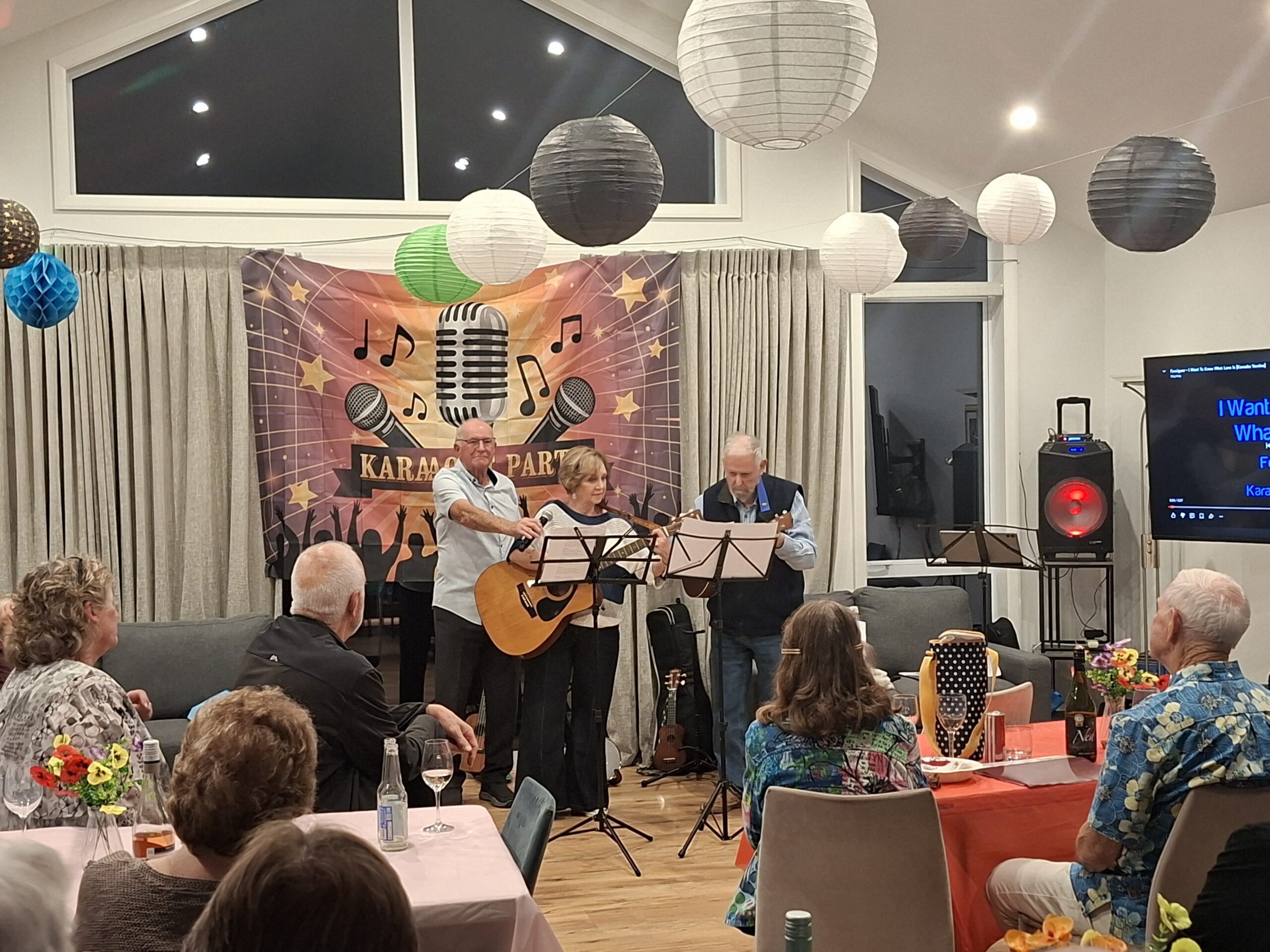
Most people moving into Quail Ridge are active, independent, and socially engaged. Many still travel regularly, spend time on the golf course, head out onto the water, entertain friends, work part time, volunteer, or remain involved in business and community life.
They choose a country club lifestyle in the Bay of Islands because they want more time, less maintenance, and a way of living that feels open and connected. The village’s future care development sits within that broader philosophy.
Plans currently include a purpose-built care facility, a dedicated dementia care residence, a substantial new central community hub, and a pedestrian bridge linking the village directly with the Bay of Islands Golf Club.
For prospective residents, these additions matter because they create continuity. People want confidence that the community they choose now can continue supporting them later if circumstances change. In practical terms, that often means avoiding the emotional and logistical strain of uprooting themselves again at a more vulnerable stage of life.
When people begin looking at retirement villages, they are rarely choosing only for the present moment. Even healthy and active buyers tend to think ahead because they understand that life evolves gradually over time.
The issue is rarely fear. It is stability. Many people have already spent decades moving for work, family, schooling, or opportunity. By the time retirement arrives, there is often a strong desire to settle somewhere that feels long-term and dependable.
That becomes particularly important for couples.
In many traditional living arrangements, one partner’s health needs can suddenly force both people into an entirely new environment. Familiar routines disappear. Social circles change. Support networks fall away at exactly the point where consistency matters most.
Integrated care facilities help reduce that disruption because they allow people to remain within the same broader community.
At Quail Ridge, the planned care facilities are intended to support that continuity while preserving the atmosphere and lifestyle that already define the village.
One of the realities often overlooked in discussions around retirement living is that many residents remain independent for a long time after moving into a village.
At Quail Ridge, the homes themselves support that independence in very practical ways.
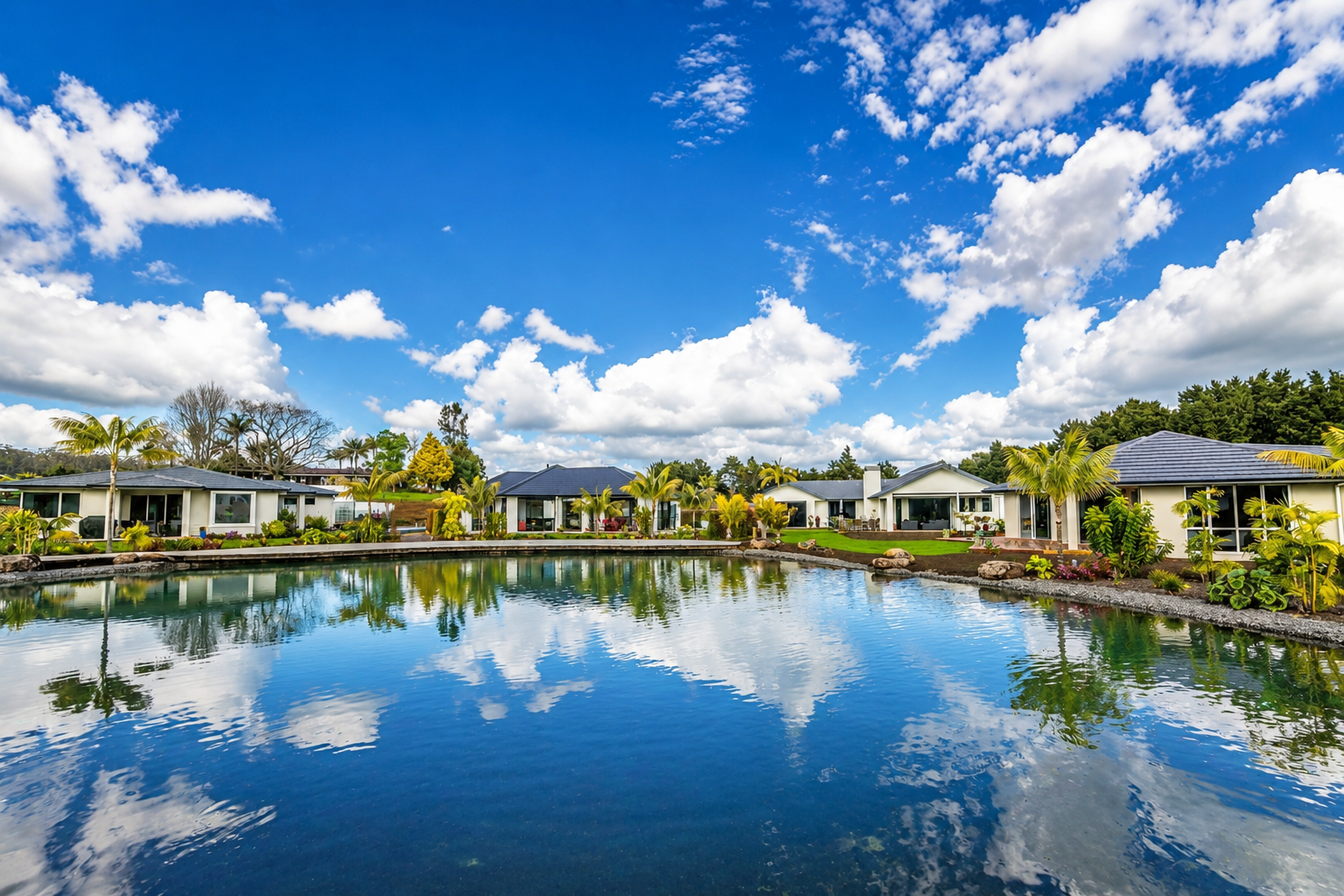
The houses are larger than most traditional retirement village homes, with generous living areas, wide hallways, oversized garages, strong indoor-outdoor flow, and room for visitors or additional support if required later.
That flexibility matters to people who may eventually choose to bring carers into the home.
For residents with access to funded support packages or privately arranged care, the ability to remain in familiar surroundings while receiving assistance can make a significant difference to quality of life. It allows routines to remain intact and gives people greater control over how support is introduced into daily life.
This middle stage between complete independence and formal residential care is increasingly important to modern retirees because many want support to evolve gradually around them rather than feeling as though life suddenly shifts from one category into another.
The village structure also removes many of the pressures that traditionally push people toward earlier care decisions. Exterior maintenance, grounds upkeep, rubbish collection, and various practical responsibilities are handled centrally, reducing physical and administrative burden while allowing residents to continue living independently for longer.
The plan includes two distinct areas – Quail House, which will be a six-bed home for the rest home and hospital level of care, including a dining area, lounge, wellness room, whanau room and outdoor area. All rooms will have a lovely outlook with full ensuite facilities.
Quail Cottage will be a four-bed unit catering for people with dementia, including a lounge/dining area, ensuite rooms and an outdoor area.
Both Quail House and Cottage are to be well-appointed and adjoined to the community hub to ensure continuity of the Quail Ridge Country Club lifestyle.
The planned dementia care residence has also been designed around smaller-scale, household-style living.
Architectural layouts show kitchen, dining, and lounge spaces organised to support familiarity, ease of navigation, and calm daily routines.
For families facing dementia related care decisions, familiarity often becomes enormously important.
People respond differently when they remain connected to known surroundings, familiar staff, established routines, and regular family contact. Being able to remain within the same village environment can help reduce some of the emotional upheaval associated with dementia transitions.
For partners and adult children, this continuity also matters practically. Visiting remains simpler, and existing relationships within the village community remain intact. Familiar faces continue appearing in daily life.
These details may seem small when viewed individually, although together they shape how supported and settled people feel over time.
The future community hub sits alongside this broader vision and will function as a substantial social and lifestyle centre within the village. Plans include hospitality spaces including a library, media room, wellness room, snooker room, pool and darts room, craft room, lounge, and dining areas, designed to support socialisation as part of daily life rather than occasional programmed activity.
The pedestrian bridge connecting Quail Ridge directly with the Bay of Islands Golf Club reinforces the village’s wider country club positioning and reflects the kind of lifestyle many residents already enjoy.
Taken together, these developments point toward a village environment where care and lifestyle sit alongside each other naturally rather than existing as separate worlds.
Importantly, the existence of future care facilities does not change the fundamental demographic Quail Ridge is speaking to today.
The village continues to appeal primarily to active retirees who are looking for freedom, space, security, and connection while remaining deeply engaged with life.
Many residents are arriving while still physically active and socially busy. Some continue consulting or working part time. Others spend significant periods travelling between regions or overseas. Golf, boating, fishing, cycling, entertaining, and community involvement remain central parts of daily life for many people living in the Bay of Islands.
The village’s future care pathway simply provides reassurance around what comes later.
For most residents entering the village now, higher-level care is unlikely to be an immediate concern. The planned facilities are timely because they align with how people’s needs naturally evolve over time.
That allows residents to focus on enjoying the lifestyle they are choosing today while feeling confident the broader structure around them has been considered thoughtfully for the future.
Will I need to move into care as soon as my health changes?
In many cases, no.
Many residents continue living independently with varying levels of support brought into the home. Quail Ridge’s larger homes and practical layouts make this easier because there is room for carers, visiting support services, and changing mobility requirements over time.
What happens if one partner needs care before the other?
This is one of the main reasons people look for villages with integrated care pathways. The planned Quail Ridge facilities are intended to allow couples to remain connected within the same broader community rather than facing separation across entirely different locations.
Will the village atmosphere change once care facilities are built?
The current plans suggest the opposite approach. The architecture and layouts point toward residential, hospitality-influenced environments intended to integrate naturally into the wider village rather than dominate it.
Why should healthy people care about future care facilities?
Because retirement village decisions are usually long-term decisions. People want confidence that if circumstances change later, they will not need to leave the community they already know and trust.
Can outside carers come into the home?
Yes. Many residents value the flexibility to arrange support within their own homes before considering higher level residential care.
Planning for the future without losing the present
One of the reasons Quail Ridge resonates with many buyers is that the village speaks to how people actually see themselves at this stage of life.
Most do not feel finished.
They still want movement, travel, conversation, hobbies, friendships, and connection to the wider world around them. They want homes that feel generous and practical. They want security without feeling managed. They want support available without having to structure daily life around it.
The future care development at Quail Ridge sits within that reality.
It recognises that independence and support are not opposing ideas. In practical life, people often move gradually between different levels of assistance over many years while still remaining deeply themselves.
The village’s long term planning reflects that understanding.
Residents can enjoy the Bay of Islands lifestyle they moved there for while knowing the community around them is evolving in ways that support continuity, familiarity, and reassurance over time.
For many people, that quiet confidence becomes one of the most important parts of choosing where to live next.