If native bush, birds and walking beside a river sound like your idea of retirement, Stage 5 at Quail Ridge Country Club is worth seeing.
The Kerikeri River runs around this southern part of the village, with native bush along the riverbank and Rainbow Falls nearby. The Kerikeri River Track follows the river through bush towards the Kerikeri Basin, and the birdlife has already discovered the gardens.
One resident can go through four bottles of nectar a day in a single bird feeder, thanks largely to the local tūī population.
This is the setting for the next homes at Quail Ridge and it gives Stage 5 something that is hard to find in a retirement village. You can have a new, low-maintenance home and the benefits of village living, with the Kerikeri River and native bush in your backyard.
For people who have spent years living on lifestyle properties, rural blocks or homes with established gardens, that combination may make the move to a retirement village easier to contemplate.
You can leave behind the lawns, gutters, repairs and maintenance that come with a larger property without leaving nature behind as well.
“At Stage 5, the Kerikeri River and native bush are your backyard.”
One of the pleasures of living in Quail Ridge Country Club retirement villages is how much of its natural landscape remains accessible, and Stage 5 sits alongside one of its better-known examples.
The Kerikeri River Track runs between the Kerikeri Basin and Rainbow Falls, following the river through regenerating native forest. Along the way it passes Wharepoke Falls, the Fairy Pools and the remains of Kerikeri’s early hydro-electric station before continuing towards Rainbow Falls.
The Department of Conservation describes the vegetation along the route as including young kauri and tōtara, with the track forming part of Te Araroa. Some sections require more care than others and DOC recommends suitable footwear, but there are options for people looking for anything from a shorter outing to a longer walk along the river.
For Stage 5 residents, nature is part of the neighbourhood.
Rainbow Falls itself is one of Northland’s recognised waterfalls, where the Kerikeri River drops 27 metres over a basalt lava field. The surrounding reserve and river corridor support native vegetation and wildlife, giving this end of Quail Ridge a natural boundary that will remain very different from another residential development being built next door.
There is also a proposed walkway bridge across the Kerikeri River from this end of Quail Ridge, which would provide a connection towards the neighbouring golf course. The current Quail Ridge site plan identifies the future bridge as part of the development.
For walkers and golfers, that prospect adds another reason to look closely at where Stage 5 sits.
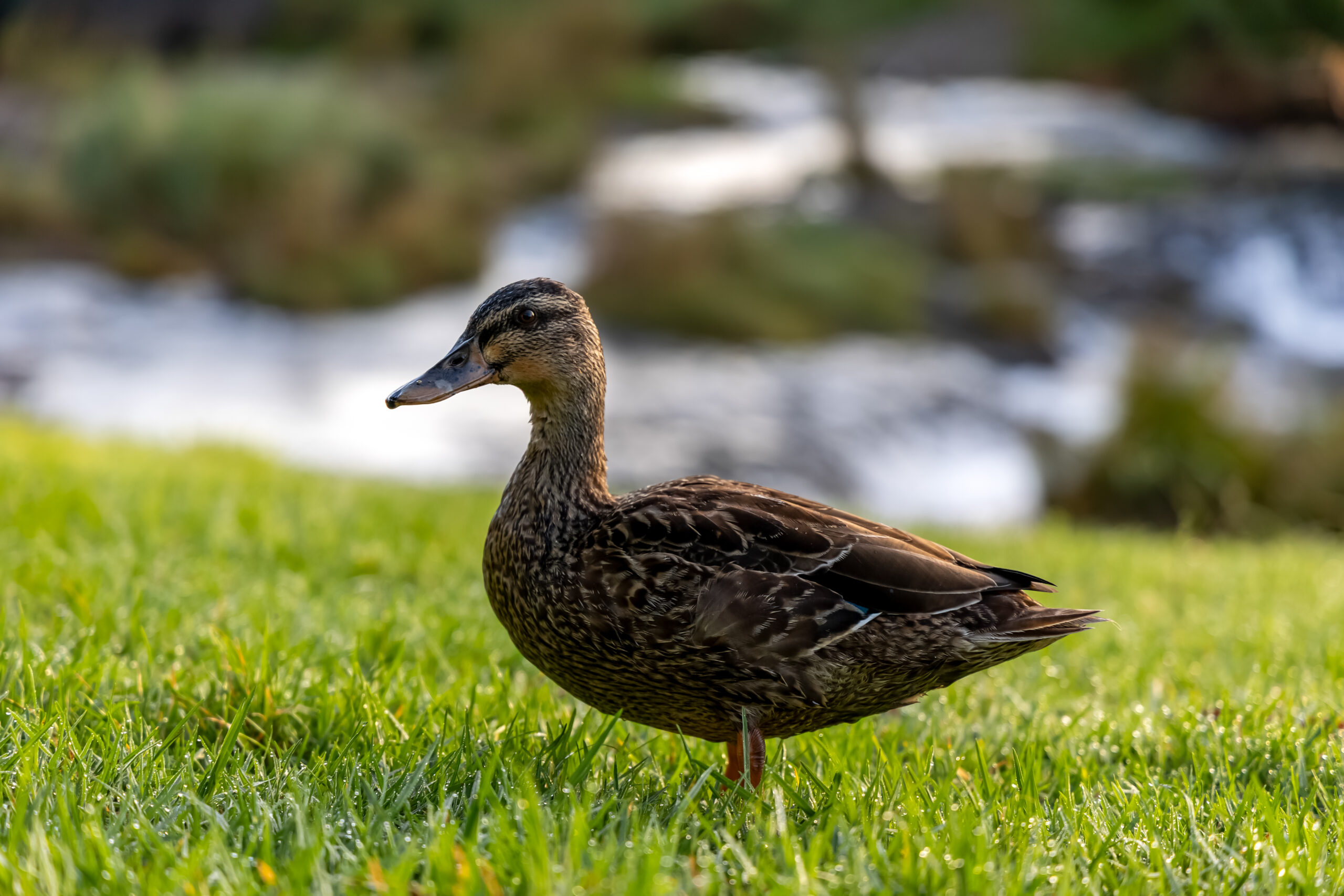
Birdlife is one of the features residents notice in this part of Quail Ridge.
The river, native bush and established vegetation provide habitat and food, while residents’ gardens add another layer as planting matures.
Tūī are frequent visitors, and the resident whose feeder is consuming four bottles of nectar a day has discovered just how frequent those visits can become.
Anyone who feeds tūī will know they arrive with plenty to say, argue over feeding rights and develop routines around reliable sources of food. Before long, you know when to expect them.
Other native birds use the river corridor and surrounding bush as well. The Department of Conservation places particular emphasis on protecting wildlife around the Kerikeri River Track, including kiwi.
You don’t need to be a committed birdwatcher to enjoy any of this. For some people, having birds in the garden and bush behind the house is enough. Others will know what they are looking at, keep feeders stocked and probably have the binoculars within reach.
Stage 5 should appeal to both.
“One local bird feeder is getting through four bottles of nectar a day. The tūī appear to approve of the neighbourhood.”
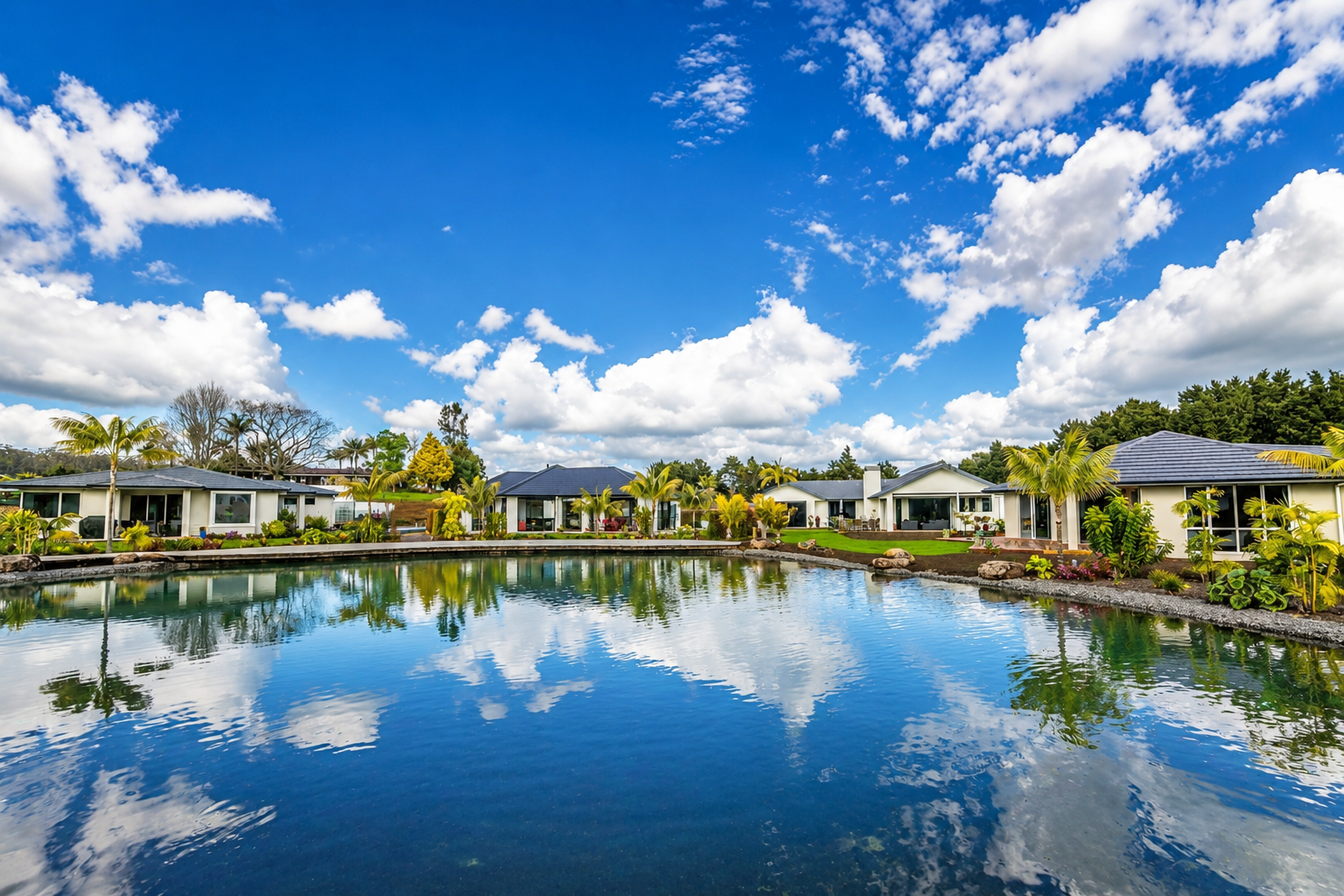
Stage 5 occupies the far western end of Quail Ridge and its location gives it a different feel from areas closer to the centre of the village.
There is very little passing traffic at this end because there is nowhere beyond it for village traffic to go. It is also the area most sheltered from the prevailing winds, which can make a difference when you want to use the deck or garden.
The bush and river complete the setting.
Some sites look towards native vegetation, while the river can be heard from parts of the area. As the landscaping within Stage 5 continues to establish, the homes will increasingly sit within that wider natural environment.
Planting is also under way on the embankment above Stage 5. This has been one of the more obvious signs of the development still being completed, and the new planting will change its appearance as it grows.
There is a practical point here for anyone considering a new home.
A new neighbourhood takes time to mature, but at Stage 5, much of the landscape beyond the homes is already there because the river and native bush have been there all along.
Residents at Quail Ridge can also apply to make modifications to their homes after they have moved in.
Solar is one example.
A resident interested in generating some of their own electricity can discuss installing solar panels, subject to the required village approval and any technical requirements.
Pergolas are another example. Someone who spends a lot of time outside may want additional shade or weather protection over a patio or deck, and that can also be discussed with the village.
There may be other changes a resident wants to consider over time. Each proposal needs to be assessed on its own merits and approved before work goes ahead, but the ability to make modifications gives residents scope to adapt their homes.
That approach fits Stage 5 particularly well because outdoor living is likely to be part of the attraction for many buyers. A deck or patio overlooking planting, with tūī turning up at the feeder and bush beyond the garden, is likely to get plenty of use.
Downsizing is often discussed in terms of what people no longer need.
The spare rooms aren’t being used, the garden takes too long and there is too much lawn to mow. Maintaining the house has become a job in itself, and weekends have a habit of disappearing into the next list of things that need doing.
Yet many of the things people enjoy about their home are tied to the same property.
They like having trees around them and they enjoy the garden even if they no longer enjoy maintaining all of it. They know which birds visit and at what time of year and they like opening a door and being outside.
That can make the prospect of moving into a retirement village difficult, particularly when the villages they have looked at feel more built up than the home they are leaving.
Stage 5 offers another option.
The home can be easier to manage while the setting remains green and the garden (our team of gardeners take care of your garden for you) sits on the edge of native bush. Another plus is the community nearby, but the river and walking tracks are there too.
For someone coming from a Kerikeri lifestyle block or a larger property elsewhere in Northland, that may be the combination they have been looking for.
The tūī may be the most obvious visitors to Stage 5 gardens, particularly when they discover a well-stocked nectar feeder, but the bush along the Kerikeri River supports a much wider range of native life.
North Island brown kiwi have been recorded in the Kerikeri River riparian area, along with kererū and the Northland green gecko. The Department of Conservation takes the presence of kiwi around the river seriously enough that dogs aren’t permitted on walking tracks in the Kerikeri Basin because of the risk they pose to kiwi and other wildlife.
Then there are the smaller inhabitants. Wētā live in forest and shrubland, finding homes in trees, beneath logs and stones and in natural burrows. More than 100 species of wētā are found in New Zealand and nowhere else in the world.
Much of this comes back to the river.
The native vegetation along its banks isn’t one uniform strip of bush. Surveys of the Kerikeri River environment have identified tōtara forest, tōtara and kahikatea forest, and areas containing kauri, rewarewa, pūriri, kōwhai, taraire, rimu and other native species.
That mixture of river, forest and undergrowth creates habitat for birds, reptiles, insects and aquatic life, while also giving Stage 5 the outlook that sets it apart.
The river has shaped the landscape in other ways. At Rainbow Falls and Wharepoke Falls, the Kerikeri River passes over ancient basalt lava flows, creating the rock formations and waterfalls that now form part of the Kerikeri River Track.
Follow the track and you move through young kauri and tōtara, past the remains of Kerikeri’s old hydro-electric station, Wharepoke Falls and the Fairy Pools before reaching Rainbow Falls.
For Stage 5 residents, this is the environment beyond the garden fence.
“The Kerikeri River isn’t just part of the view. It supports the bush and wildlife that give this end of Quail Ridge its character.”
The best way to understand Stage 5 isn’t from a photograph or a plan.
Allow some time when you visit Quail Ridge and walk through the area. Look beyond the houses towards the bush. Listen for the tūī. See where the Kerikeri River sits in relation to the neighbourhood and then take a walk to Rainbow Falls.
If you enjoy walking, explore part of the Kerikeri River Track as well. It will tell you far more about the surroundings than a list of nearby amenities ever could.
Then come back and look at the homes.
Stage 5 won’t suit everyone, nor should it.
But if your retirement plans include native bush, tūī, walking tracks and a river at the bottom of the neighbourhood, it is difficult to think of a better place to start looking.
Arrange a visit to Quail Ridge Country Club and spend some time exploring Stage 5 and the surrounding Kerikeri River environment (you can even arrange to stay overnight).
Talk to Quail Ridge Country Club about Stage 5.